

When you think about inclusion at school, it’s easy for the conversation to start with the classroom. Where does your child spend the day? What are they learning? Which supports are helping?
Those questions matter. But think about the parts of school your child might tell you about first. Who they sat with at lunch. A game at recess. The song they practiced in music. Something funny that happened on the way to art.
Those parts of the day deserve a place in the conversation too.
Think Through an Ordinary School Day
Before you talk with the team, think through an ordinary school day. Start with arrival and keep going through dismissal. If your child attends a club or another activity after school, include that too.
You don’t need to figure out every detail. Pick a few moments you want to understand better:
- At lunch, can your child choose where to sit and connect with other students?
- At recess, what do they enjoy? Is there an activity they want to join but have trouble getting into?
- In specials, such as art, music, or PE, what are they able to take part in?
- During transitions, do they know where they’re going and how to ask for help?
- At assemblies and celebrations, what does participation look like for them?
- For clubs, performances, and extracurriculars, what would the adults need to talk through before your child attends?
You may notice parts of the day that are going well. Bring those examples too. What is helping your child take part? Could any of that help elsewhere?
Look for a Real Role
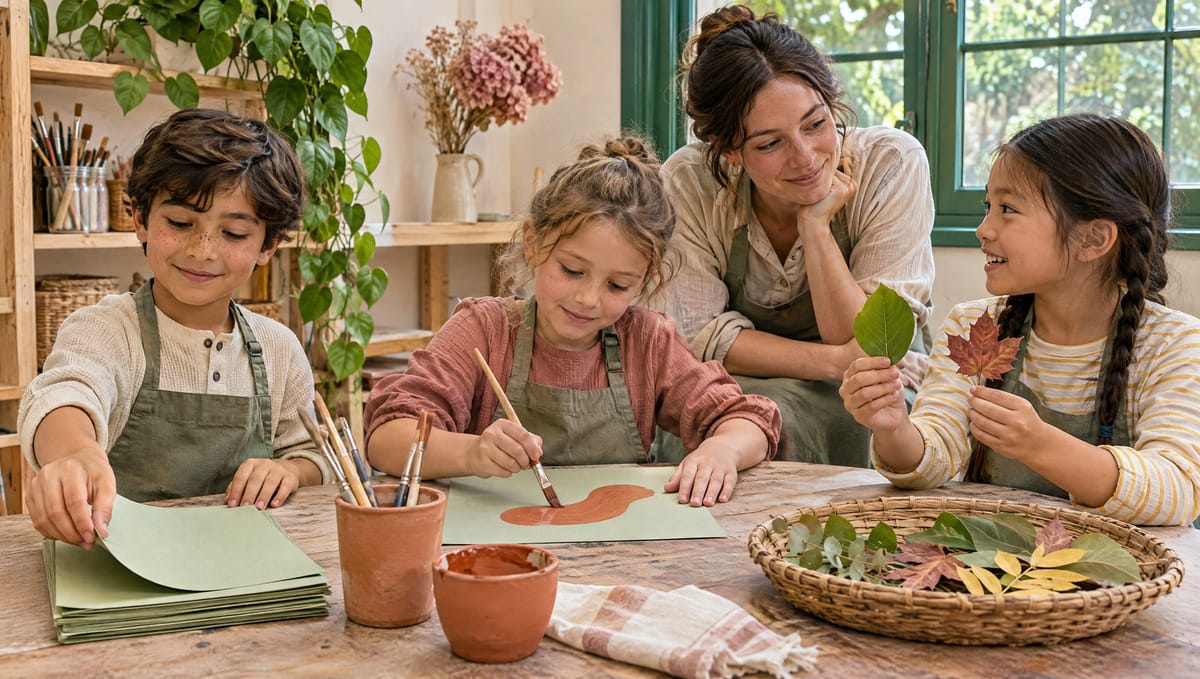
Picture a group activity in art. A child might be sitting at the table with everyone else while another person makes all the choices and does the project for them.
If you notice something like this, bring it to the team. Which parts does the child want to do? Can they choose materials, share an idea, or work with a classmate? What help would let them take part in their own way?
You can ask similar questions about other parts of the day. At recess, who do they like spending time with? At a school performance, what would they enjoy contributing?
Participation doesn’t have to look the same for every child. The point is to understand what your child wants to be part of and what is getting in the way.
Include Your Child’s Perspective
Invite your child to share in the ways that work for them, such as words, gestures, pictures, or a communication device. Ask about what they like at lunch or recess, who they enjoy being around, and whether there is something they wish they could do.
Leave room for their preferences. Choosing a quiet activity is different from wanting to join a game and having no way into it. Ask enough to understand which situation you’re looking at.
If you’re unsure what your child wants, bring that question to the adults who know them in those settings. You can compare what each of you has noticed without expecting one person to have the whole picture.
Bring One Moment to the Team
A concern about inclusion can feel very big. You can start with one part of the day.
You might say, “I’d like to understand what recess looks like for my child. Who do they spend time with, and what do they do when they want to join a game?”
Then talk through the practical details:
- What have the adults in that setting noticed?
- What does your child seem to enjoy or want more of?
- What is making it hard for your child to take part?
- Who will follow up, and when will you check in again?
You don’t need to arrive with a finished solution. Bring the moment you want the team to look at more closely. Lunch, recess, and the walk to music are all worth asking about.
Beyond the Classroom looks at lunch, recess and the other parts of the day outside the lesson.
The plan matters. Your child matters more.
Have a question about helping your child take part? Join The Village by Beyond the Plan, our free Skool community. Find out about resources and course content, connect with parents, caregivers, and educators, and bring your questions to Ciera and Tori as you think through your next step.